Опис
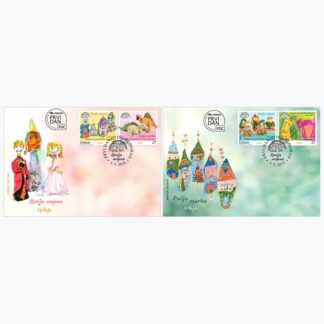
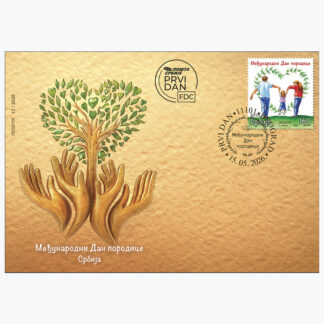
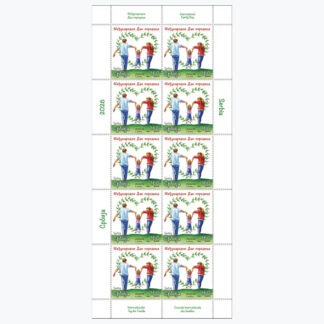
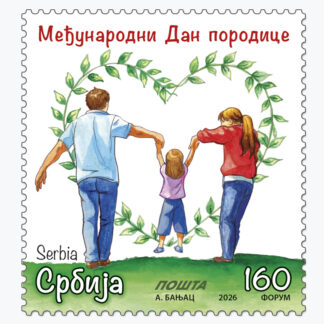
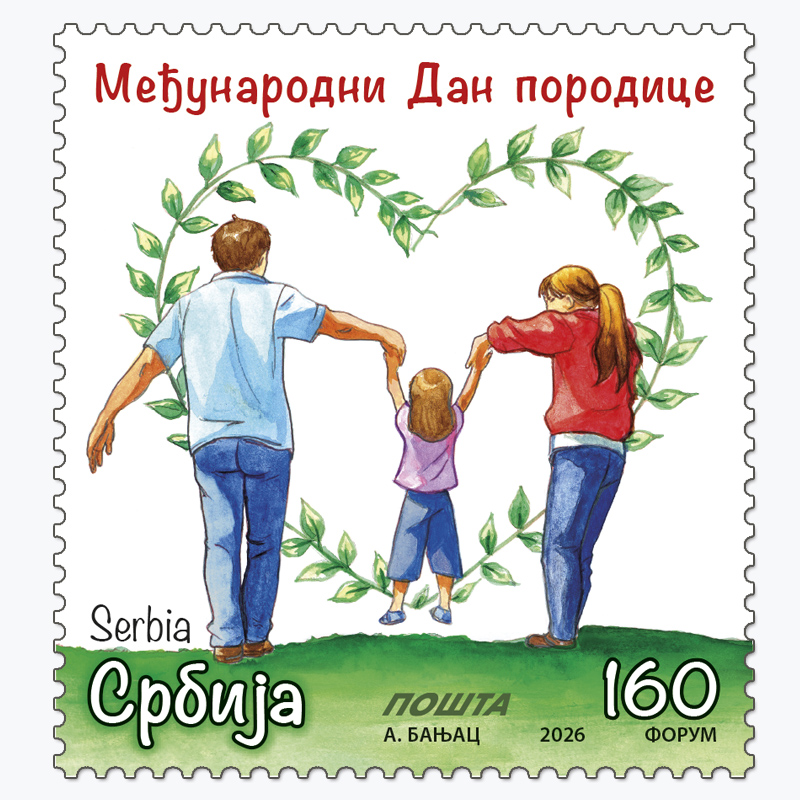
International Family Day is celebrated every year on May 15, in accordance with a resolution adopted by the United Nations General Assembly in 1993, and was first celebrated in 1994. This day was established with the aim of highlighting the importance of the family as the basic unit of society and raising awareness of the social, economic and demographic processes that affect the lives of families around the world.
The UN sets a theme for the celebration each year to highlight the current challenges facing families in the modern world. This year’s theme is ”Families, Inequalities and Child Wellbeing” and focuses on the impact of economic and social disparities on the position of families and the life chances of children.
The family is the foundation of social cohesion, intergenerational solidarity, and the preservation of cultural and moral values. It is in the family environment that the first knowledge is acquired, life attitudes are shaped, and relationships of trust, respect, and responsibility are built.
Contemporary global challenges, such as growing economic inequalities and unequal access to education, healthcare and basic services, significantly impact families and can deepen intergenerational cycles of poverty. Therefore, special attention is paid to the development of family-centred protection systems that help households remain stable and ensure that all children have equal opportunities for healthy and happy development.
According to the results of the 2022 Population Census*, there are more than 1.9 million families living in the Republic of Serbia, of which about 1.3 million have children. The Government of Serbia and the Ministry of Family Welfare and Demography are committed to preserving and improving the institution of the family through measures to support parenthood, developing community services, and improving conditions for quality family life.
** The census did not include data for the AP of Kosovo and Metohija
Professional cooperation: Ministry of Family Welfare and Demography
Artistic realization of the issue: MA Anamari Banjac, academic painter